Last updated on September 24th, 2026 at 12:25 pm
Transform Your Home: Finding Basement Remodelers Near Me
If you’re searching for basement remodelers near me, you’re looking to turn that unused space into something amazing. Finding the right experts is the first step to open uping your home’s hidden potential.
Here’s how to quickly find trusted basement remodelers in your area:
- Check online directories: Use platforms like Houzz or Angi to find local pros with reviews.
- Ask for referrals: Your friends, family, or neighbors might have great recommendations.
- Contact local general contractors: Many specialize in basement renovations.
- Request free estimates: Reach out to a few companies for quotes and consultations.
Your basement is more than just a storage area. It’s an opportunity to add valuable living space to your home. Imagine a cozy family den, a new home office, or even an income-generating apartment. Remodeling your basement can significantly boost your home’s comfort and resale value.
This guide will walk you through everything you need to know. We’ll help you plan your vision and connect with reliable contractors. You’ll learn how to transform your basement into a functional, beautiful part of your home.
The First Step: Planning Your Basement Change
Before you dive into demolition and design, the most crucial step is planning. Think of your basement as a blank canvas; a clear vision will guide every decision, from the layout to the smallest finishing touch.
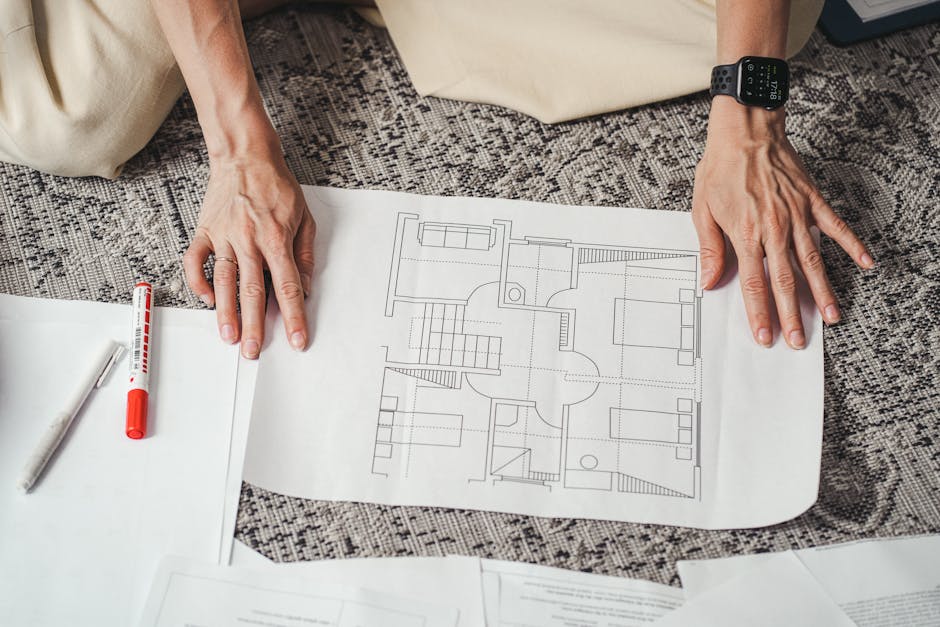
Defining your vision is about functionality, not just aesthetics. Do you need a quiet home office, a personal gym, or an in-law suite for extended family? Perhaps you dream of an entertainment hub with a home theater and a wet bar. The right plan ensures your new basement reflects your lifestyle and needs.
Once your vision starts to take shape, it’s time to tackle the practicalities: budget planning and material selection. These two elements go hand-in-hand. High-quality materials can make a significant difference in the longevity and appeal of your basement, but they also come with a price tag. We always recommend considering your desired aesthetic (modern, rustic, etc.) and balancing it with durability and cost-effectiveness. For more inspiration on popular basement changes, explore our ideas for Popular basement remodel ideas. And for a broader perspective on home improvements, check out A Guide to Renovating Your Home.
Popular Basement Remodel Ideas
The modern basement has moved far beyond being a dusty storage space. Today, it’s an extension of your home’s living area, designed for comfort and utility. Here are some of the most popular ideas we see homeowners pursuing in Boston and the Greater Boston Area:
- Home Theater: Imagine a dedicated space with comfortable seating, a large screen, and surround sound for the ultimate movie night experience.
- Wet Bar: A stylish wet bar can transform your basement into an entertainment destination, perfect for parties or a relaxing evening drink.
- Guest Bedroom: Adding a comfortable guest bedroom, possibly with an en-suite bathroom, provides a private retreat for visitors.
- Children’s Playroom: A vibrant and safe playroom can keep toys organized and offer a dedicated space for kids to release their energy.
- Legal Basement Apartment: For those looking to generate rental income or provide independent living for family members, a legal basement apartment is a significant investment. This often involves specific code requirements for egress, ceiling height, and independent facilities.
- Home Gym: Skip the gym membership and create a personalized fitness zone custom to your workout routine.
Here are 5 must-have features for a modern basement:
- Excellent Lighting: Since basements are often dark, a mix of recessed, task, and natural light (from egress windows) is essential to make the space feel bright and inviting.
- Smart Storage Solutions: Use built-in shelving, custom cabinetry, and clever nooks to keep multi-purpose areas tidy and functional.
- Durable, Moisture-Resistant Flooring: Choose moisture-resistant flooring like luxury vinyl plank, engineered wood, or ceramic tile to withstand humidity and potential leaks.
- Soundproofing: For a home theater, gym, or playroom, soundproofing the ceiling and walls improves comfort in the main living areas above.
- Comfortable Climate Control: Ensure your basement is comfortable with proper insulation and HVAC integration to prevent it from feeling cold or damp.
Understanding Local Building Codes and Permits
Navigating local building codes and securing the necessary permits is a critical step in any basement renovation, especially in Boston, Andover, and the wider Greater Boston Area. These regulations are in place for your safety and to ensure your renovation meets standards. Skipping this step can lead to costly fines, difficulties selling your home, and potential safety hazards.
Key aspects of building codes often relevant to basements include:
- Egress Windows: If you’re creating a bedroom or habitable living space, you’ll almost certainly need egress windows. These provide an emergency exit and must meet specific size and accessibility requirements.
- Ceiling Height Requirements: Most municipalities have minimum ceiling height requirements for finished basements, typically around 7 feet.
- Ventilation Standards: Adequate ventilation is crucial for air quality and moisture control.
- Electrical Codes: All new electrical work must conform to the National Electrical Code (NEC) and local amendments, requiring proper wiring, outlets, and lighting.
- Plumbing Regulations: If you’re adding a bathroom or kitchen, plumbing work must meet strict health and safety codes.
A reputable general contractor like us ensures all permits are obtained and your project adheres to every local regulation. We handle the complexities of the permitting process, so you don’t have to. For more on when a professional is essential, read our guide: Do I Need a General Contractor to Renovate?.
Understanding the Costs and Value of a Basement Remodel
A common question is, “How much does a basement remodel cost?” The answer depends on many factors, but we can provide general insights to help you understand the costs involved.
The cost of a basement remodel varies widely. Finishing an unfinished basement typically ranges from $75,000 to $200,000, but can be more for luxury finishes or structural changes. Remodeling an already finished basement averages between $50,000 and $100,000, potentially reaching $250,000 for complex projects. These are national averages; costs in the Greater Boston Area may be higher due to local labor and material expenses.
Several factors significantly influence the final price tag:
- Square Footage: Larger basements naturally require more materials and labor.
- Material Quality: High-end finishes, custom cabinetry, and specialized flooring will increase costs. For instance, flooring and wall coverings alone can account for over 50% of total expenses.
- Labor Costs: The complexity of the work, the number of trades involved (plumbers, electricians, carpenters), and local labor rates all play a role.
- Scope of Work: Adding a new bathroom can cost between $25,000 and $50,000, while a basement kitchen will also add significant expense. Structural modifications, extensive electrical or plumbing rerouting, or addressing significant moisture issues will also increase costs.
Despite the investment, basement remodels offer a strong return on investment (ROI). According to the Remodeling Cost vs. Value Report, finishing a basement is one of the best projects for increasing resale value. It adds usable square footage, making your home more attractive to buyers. For a broader look at renovation costs, see our article: How Much Does It Cost to Renovate a House?.
Basement Finishing vs. Remodeling: What’s the Difference?
While often used interchangeably, “basement finishing” and “basement remodeling” refer to distinct types of projects with different scopes, costs, and timelines. Understanding this difference is key to accurately planning your project and communicating with local basement remodelers.
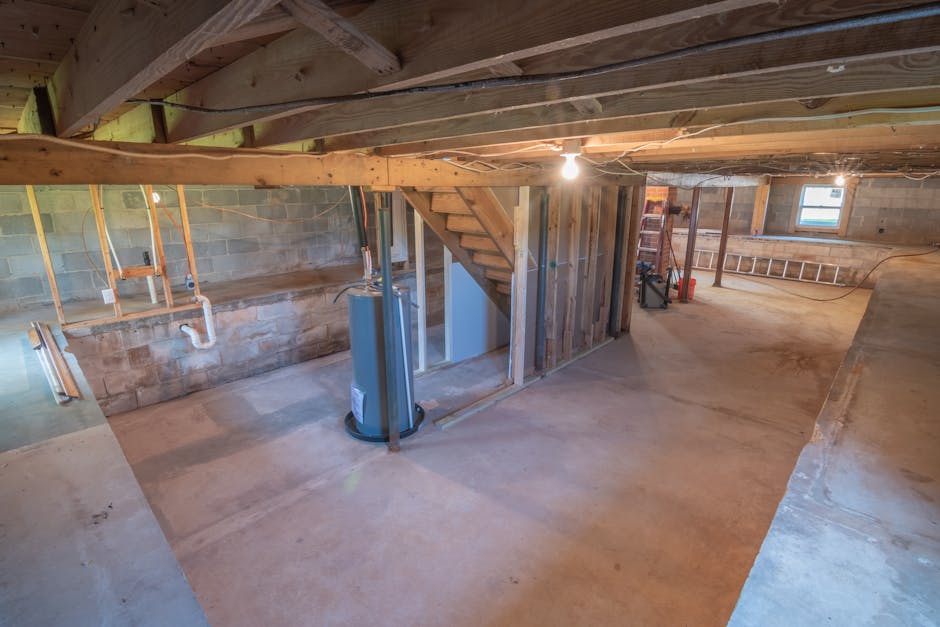
- Basement Finishing: This involves converting a raw, unfinished space into a habitable living area for the first time. It includes framing, insulation, drywall, flooring, electrical, plumbing, and HVAC extensions to create new, functional rooms. The average cost to finish a basement is around $80,000, but can range from $75,000 to $200,000, depending on the project.
- Basement Remodeling: This means altering an already finished basement. Instead of creating new space, you’re updating, reconfiguring, or upgrading an existing one. This could involve changing the layout, updating flooring and fixtures, or adding features like a wet bar or home theater. Remodeling focuses on aesthetic and functional improvements.
Here’s a quick comparison:
| Feature | Basement Finishing | Basement Remodeling |
|---|---|---|
| Scope | Converting raw, uninhabitable space to livable space. | Updating or reconfiguring an already livable space. |
| Cost | Generally higher due to extensive foundational work. | Can be lower, focused on cosmetic/functional updates. |
| Timeline | Longer, as it involves building out a new space. | Shorter to moderate, depending on structural changes. |
| Permits | Almost always required, often more extensive. | Often required, especially for structural/utility changes. |
How a Remodel Boosts Your Home’s Value
Beyond adding living space, remodeling your basement is a smart financial move for homeowners in the Greater Boston Area. It boosts your home’s value in several ways:
- Increased Square Footage: Finishing your basement adds to your home’s total finished square footage, a key metric for appraisals and sales that directly impacts market value. A larger home commands a higher price.
- Higher Appraisal Value: Appraisers view finished basements as valuable assets. A functional, well-appointed space increases the home’s overall valuation.
- Market Appeal: A finished basement is a major selling point. Buyers look for versatile spaces like a family room, home office, or guest suite. A functional basement makes your home stand out.
- Functional Living Area: Changing a basement into a bright, inviting area improves your home’s functionality. It provides more room for living and entertaining, making your home more desirable.
A basement renovation allows you to recoup a substantial portion of your investment, making it a wise decision for both current enjoyment and future resale. Find more about the financial upsides of this type of project in our article on the 5 Advantages of Basement Renovation Costs.
Finding Reputable Basement Remodelers Near Me
Finding the right professionals is paramount to your project’s success. Here’s how to vet and select the best fit from your search for basement remodelers near me.
Here’s how we recommend approaching your search:
- Online Searches: Start with a broad search for basement remodelers in Boston, Andover, or your specific Greater Boston Area. Websites like Houzz, Angi, and Google Maps are excellent resources for finding local contractors and reading customer reviews.
- Local Referrals: Word-of-mouth is still incredibly powerful. Ask friends, family, neighbors, or colleagues who have recently had basement work done for their recommendations. Personal experiences can offer invaluable insights.
- Vetting Contractors: Once you have a shortlist, begin the vetting process. Look at their websites, social media presence, and online portfolios. Do their past projects align with your vision and aesthetic?
- Checking Portfolios: A contractor’s portfolio showcases their quality of work and design capabilities. Pay attention to the details, finishes, and the overall change they achieve.
- Getting Multiple Quotes: Contact at least three reputable contractors for detailed estimates. This allows you to compare pricing, project scope, and communication styles. Be wary of quotes that are significantly lower than others, as this could indicate cut corners or hidden costs.
For a deeper dive into selecting the right professional, read our guide on Choosing Best Contractor for Home Renovations.
What to Look for When Hiring Basement Remodelers
When hiring local basement remodelers, look for these qualities to ensure a smooth project and avoid headaches. We believe in transparency and empowering our clients with the right information.
Here are the key factors to consider:
- License and Insurance: This is non-negotiable. Verify the contractor is licensed in Massachusetts and carries full liability and workers’ compensation insurance. This protects you from liability for accidents or damage.
- Years of Experience: A contractor with years of experience brings knowledge, problem-solving skills, and established relationships. As a Boston-based general contractor with over a decade of experience, we understand the nuances of local projects.
- Positive Reviews: Look beyond just star ratings. Read detailed reviews on platforms like Google and Houzz. Do they consistently praise communication, professionalism, quality of work, and adherence to timelines and budgets?
- Detailed Contracts: A good contractor will provide a comprehensive contract that outlines every aspect of the project: scope of work, materials, payment schedule, timeline, change order procedures, and warranties. Avoid vague agreements.
- Project Warranties: Ask about warranties on workmanship and materials. A reputable contractor stands behind their work.
- Communication Style: How responsive are they? Do they answer your questions clearly and promptly? Effective communication is crucial for a stress-free renovation.
For specific guidance on what to look for in our local area, check out 7 Things to Look For in a Boston Contractor.
Key Questions to Ask Potential Basement Remodelers
Once you have a shortlist of local basement remodelers, it’s time to ask the right questions. This interview process is your opportunity to gauge their expertise, assess their professionalism, and ensure they’re a good fit for your project.
Here’s a list of essential questions we recommend asking:
- What is your estimated project timeline, from start to finish? A good contractor can provide a realistic timeframe, including potential contingencies. A standard basement renovation can take anywhere from 4 to 12 weeks, depending on the complexity.
- Do you use subcontractors, and if so, who manages them? Many contractors use subcontractors for specialized tasks (electrical, plumbing). Understand who is responsible for their work and oversight.
- What is your payment schedule? Reputable contractors typically require an initial deposit, followed by progress payments tied to project milestones, with a final payment upon completion and your satisfaction.
- How do you handle the permitting process? As discussed, permits are vital. Ensure they will obtain all necessary permits for your project in Boston or the Greater Boston Area.
- What is your process for change orders? Changes can happen. A clear process for documenting, pricing, and approving any changes to the original scope is crucial to avoid disputes.
- How will you handle debris removal and site cleanup? A professional contractor will manage all waste disposal and ensure the work area is kept clean and safe throughout the project, and spotless upon completion.
- Can you provide references from recent clients? Speaking with past clients offers direct insight into their experience with the contractor.
For a more comprehensive guide on hiring, please refer to How to Hire a Construction Contractor.
The Remodeling Process: What to Expect
Starting on a basement remodel is exciting. Understanding the typical phases helps manage expectations and ensures a smooth process. From the initial design to the final touches, each step is crucial.
Here’s a general overview of what to expect:
- Design Phase: This is where your vision truly comes to life. Working with your contractor, detailed plans and 3D renderings are created, outlining the layout, materials, lighting, and all the specific features of your new basement.
- Demolition (if remodeling): If you’re remodeling an existing finished basement, this phase involves carefully removing old walls, flooring, and fixtures to prepare the space for its change.
- Waterproofing: This is a critical step, especially in basements. Addressing any existing moisture issues and implementing preventative measures (like sealing cracks or installing drainage systems) before building out the space is paramount to prevent future problems like mold or water damage.
- Framing and Insulation: New walls are framed according to the design plan, defining the rooms and spaces. Insulation is then installed to ensure comfort and energy efficiency.
- Electrical and Plumbing Rough-in: Electricians run new wiring for outlets, switches, and lighting, while plumbers install new pipes for bathrooms, kitchens, or wet bars. This is often referred to as the “rough-in” stage, as everything is exposed before walls are closed up.
- Drywall and Flooring: Drywall is hung, taped, and mudded to create smooth wall and ceiling surfaces. Once the drywall is complete and primed, flooring is installed.
- Finishing Touches: This final stage brings everything together. Painting, installing trim, doors, light fixtures, cabinetry, and other decorative elements complete the look and feel of your newly transformed basement.
For a more detailed look at the entire process, we encourage you to read Basement Remodeling: What to Expect.
Typical Services Offered by Remodelers
Professional basement remodelers offer a comprehensive suite of services to take your project from concept to completion. We pride ourselves on offering a full range of expertise to ensure every aspect of your basement renovation is handled with precision.
Typical services include:
- Design-Build Services: Many contractors, including us, offer integrated design and construction services. This streamlines the process, ensuring seamless communication and coordination between the design and build teams.
- Structural Work: This can involve altering load-bearing walls, installing new support beams, or creating new openings for windows or doors.
- Waterproofing: Essential for any basement, this includes interior and exterior solutions to prevent moisture intrusion, such as sealing, drainage systems, and sump pump installation.
- Insulation: Proper insulation is key for comfort, energy efficiency, and preventing condensation and mold.
- Drywall Installation: Expert installation of drywall for smooth, finished walls and ceilings.
- Flooring: Installation of various flooring types suitable for basements, such as luxury vinyl plank, engineered wood, tile, or carpet.
- Custom Cabinetry: Designing and installing custom storage solutions, built-ins, and wet bar cabinetry.
- Lighting Installation: Strategic placement of recessed lights, task lighting, and decorative fixtures to create a bright and inviting atmosphere.
- HVAC Integration: Extending your home’s heating and cooling system to the basement for year-round comfort.
- Plumbing and Electrical: Installation of new plumbing lines for bathrooms and kitchens, and all necessary electrical work, including outlets, switches, and dedicated circuits.
To learn more about the diverse range of services we offer for home changes, visit our Remodeling Services page.
Signs You Need to Waterproof Before You Remodel
Before framing or flooring, ensuring your basement is dry is critical. Ignoring water issues will lead to problems. As experienced basement remodelers in the Boston area, we always prioritize a dry foundation.
Here are undeniable signs that you need to waterproof your basement before any remodeling work begins:
- Musty Odors: A persistent earthy or stale smell is often the first indicator of mold or mildew growth, which thrives in damp environments.
- Visible Mold or Mildew: Any fuzzy, discolored patches on walls, floors, or stored items are clear signs of moisture problems. Mold not only damages your property but can also pose serious health risks.
- Water Stains on Walls or Floors: Even faint discoloration or tide marks on concrete, drywall, or existing flooring point to past or ongoing water intrusion.
- Peeling Paint: If paint on your basement walls is bubbling, flaking, or peeling, it’s likely due to moisture pushing its way through the wall from the outside.
- Efflorescence (White, Chalky Powder): This white, powdery substance on concrete or masonry walls is caused by dissolved salts left behind when water evaporates. It’s a definite sign of moisture seepage.
- Dampness or Humidity: If your basement consistently feels clammy, sticky, or noticeably humid compared to the rest of your home, it indicates a lack of proper moisture control. This can lead to condensation and ultimately, mold.
Addressing these issues proactively will protect your investment, ensure a healthy living environment, and prevent expensive repairs down the line.
Frequently Asked Questions about Basement Remodeling
We often hear similar questions from homeowners considering a basement change. Here are some of the most common inquiries we receive:
What is the difference between basement finishing and remodeling?
Basement finishing turns a raw, unfinished space into a livable area by adding walls, flooring, electrical, and plumbing. It creates new habitable space. Remodeling alters an already finished basement by changing the layout, updating materials, or adding features. It updates or reconfigures existing space.
How long does a basement renovation typically take?
A basement renovation typically takes 5 to 10 weeks, depending on scope, size, and complexity. A simple finish might take 5-8 weeks, while a complex remodel with a bathroom or kitchen could take 8 -10 weeks or more. Your contractor will provide a detailed timeline.
Can finishing a basement add value to my home?
Yes, absolutely. Finishing a basement is one of the best home improvement projects for return on investment (ROI). It adds valuable, usable square footage, which is a key factor in your home’s market value. Turning unused space into a functional area makes your home more appealing to buyers and allows you to recoup a substantial portion of your investment at resale.
Conclusion
Starting on a basement remodeling project is a fantastic way to improve your home’s value, expand your living space, and create a functional area perfectly custom to your needs. As we’ve explored, planning is vital, ensuring you have a clear vision, a realistic budget, and a thorough understanding of local codes. Vetting your contractors is equally essential; look for experience, proper licensing, positive reviews, and transparent communication.
As a Boston-based family-owned general contractor, R.H. Blanchard Contract & Design has seen how a well-executed basement project can truly transform a home. We believe in precision, transparency, and delivering exceptional results that stand the test of time.
Are you ready to start your project and open up the full potential of your basement? We’re here to help you steer every step of the process, from initial design to the final reveal. Explore our Remodeling Services to see how we can bring your vision to life.